For Productivity
Learn AI to work more productively.
A structured course that teaches AI fundamentals through tasks you already do: turning a messy to-do list into a prioritized plan, turning meeting notes into action items, drafting quick email replies, deciding what to prioritize, and planning a realistic week.
What is AI?
An AI assistant is a tool built on a large language model. Unlike a static to-do app or a basic chatbot, it can hold your entire week's context in mind across a long conversation, remembering the deadline you mentioned, the meeting notes you pasted in an hour ago, and the tradeoff you're weighing between two competing priorities. That matters for staying on top of a busy workload, where a single list rarely tells the whole story. AI Learning teaches you how to work this way through real productivity tasks: turning a messy to-do list into a prioritized plan, turning meeting notes into action items, drafting quick email replies, deciding what to prioritize when everything feels urgent, and planning a realistic week from your actual commitments.
What AI is useful for in everyday productivity
- 01
Turning a messy to-do list into a prioritized plan
Paste in your raw, unsorted to-do list and ask an AI assistant to group it into what's urgent, what's important but not urgent, and what can wait. Give it your actual deadlines and it applies them consistently.
“Here's my to-do list for today, 12 items, a mix of work and personal. I have a hard deadline on a client proposal at 3pm. Sort this into what I need to do before 3pm, what can wait until tomorrow, and what doesn't need to happen this week at all.”
- Get a plan sorted by real deadlines
- Separate urgent from just loud
- Know what can safely wait
- 02
Turning meeting notes into clear action items
Paste in raw meeting notes and ask an AI assistant to pull out who owns what and by when. Use the structured output to send a follow-up in minutes instead of rereading your notes to reconstruct what was decided.
“Here are my raw notes from a 45-minute planning meeting with three teammates. Pull out every action item, who owns it, and any deadline mentioned, in a format I can paste directly into a follow-up email.”
- Extract owners and deadlines fast
- Turn scribbled notes into something sendable
- Never lose a commitment made in the room
- 03
Drafting quick, appropriately-toned email replies
Give the AI the email you're replying to and a few bullet points of what you want to say, and let it draft a reply matched to the right tone and length. Refine through conversation until it sounds like you, not a template.
“Here's an email from a client asking to push our deadline back a week. I'm fine with it but want to set a firm new date. Draft a reply under 80 words that's warm but clear about the new deadline.”
- Turn bullet points into a full reply
- Match the tone the message calls for
- Clear your inbox faster without sounding rushed
- 04
Deciding what to prioritize when everything feels urgent
List out everything competing for your attention right now with real deadlines and stakes, and ask an AI assistant to help you decide what actually needs to happen first. Adjust the reasoning through conversation until it reflects what you'd actually be judged on.
“I have three things due this week: a client deliverable due Friday, a performance review for a direct report due Wednesday, and a backlog of 20 unread emails. Help me decide what order to tackle these in, and be honest about what I should let slip if I can't do all three well.”
- Get an honest, reasoned priority order
- See what's actually safe to deprioritize
- Turn competing demands into one decision
- 05
Planning a realistic week from a list of commitments
Give the AI everything on your plate for the week, meetings, deadlines, and tasks, and let it structure a day-by-day plan that accounts for how much time each thing actually needs. Adjust the mix through conversation until it matches how you actually work.
“Here's everything I need to get done this week: 4 meetings already scheduled, a report due Thursday that needs about 6 hours of focused work, and a dozen smaller tasks. Build me a day-by-day plan that blocks time for the report around my meetings.”
- Turn a task pile into a real schedule
- Block time around fixed commitments
- See the week before you're already behind on it
How you'll learn
AI Learning walks you through the fundamentals step by step, with structured lessons, practice quizzes, and a progress tracker so you always know where you stand.
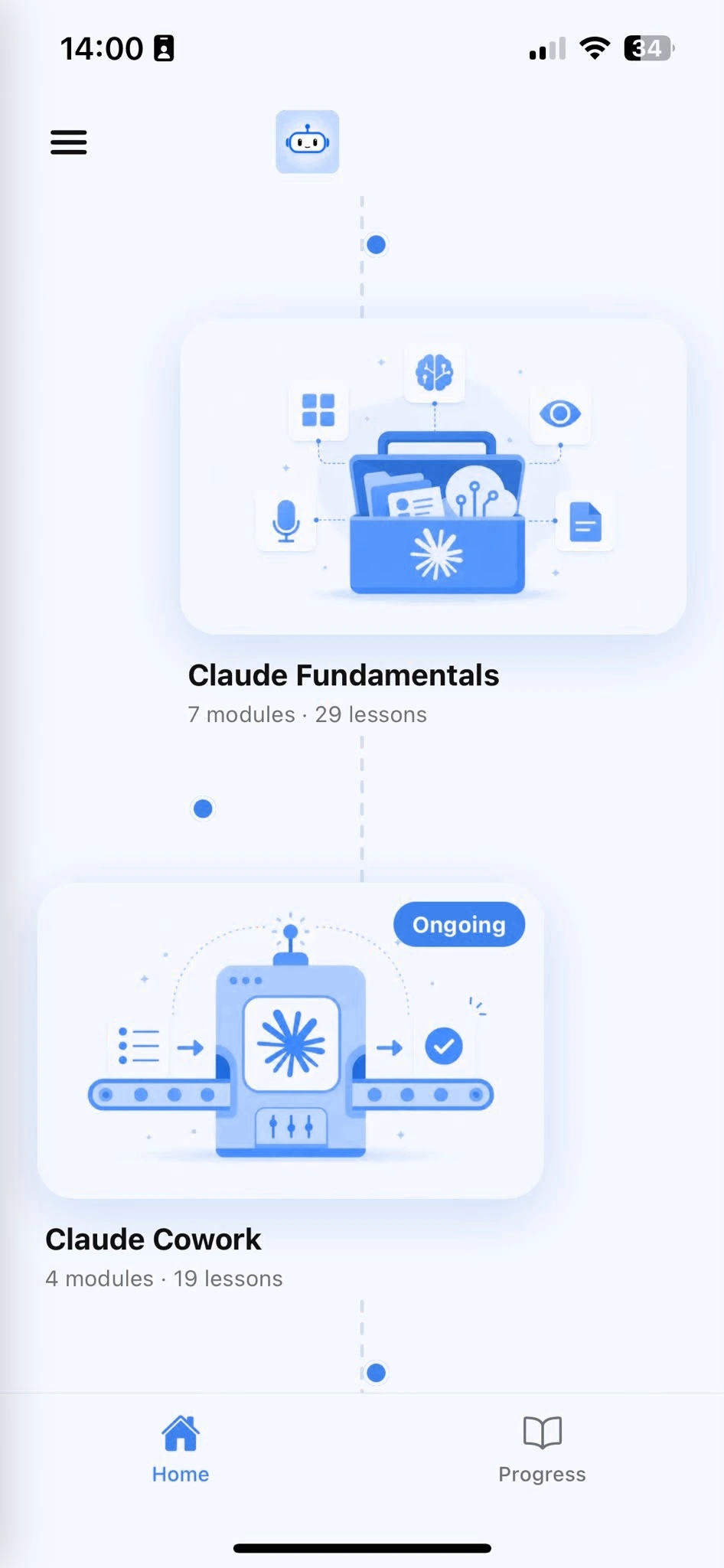
Browse Courses
Choose what to learn from a structured library of AI lessons.
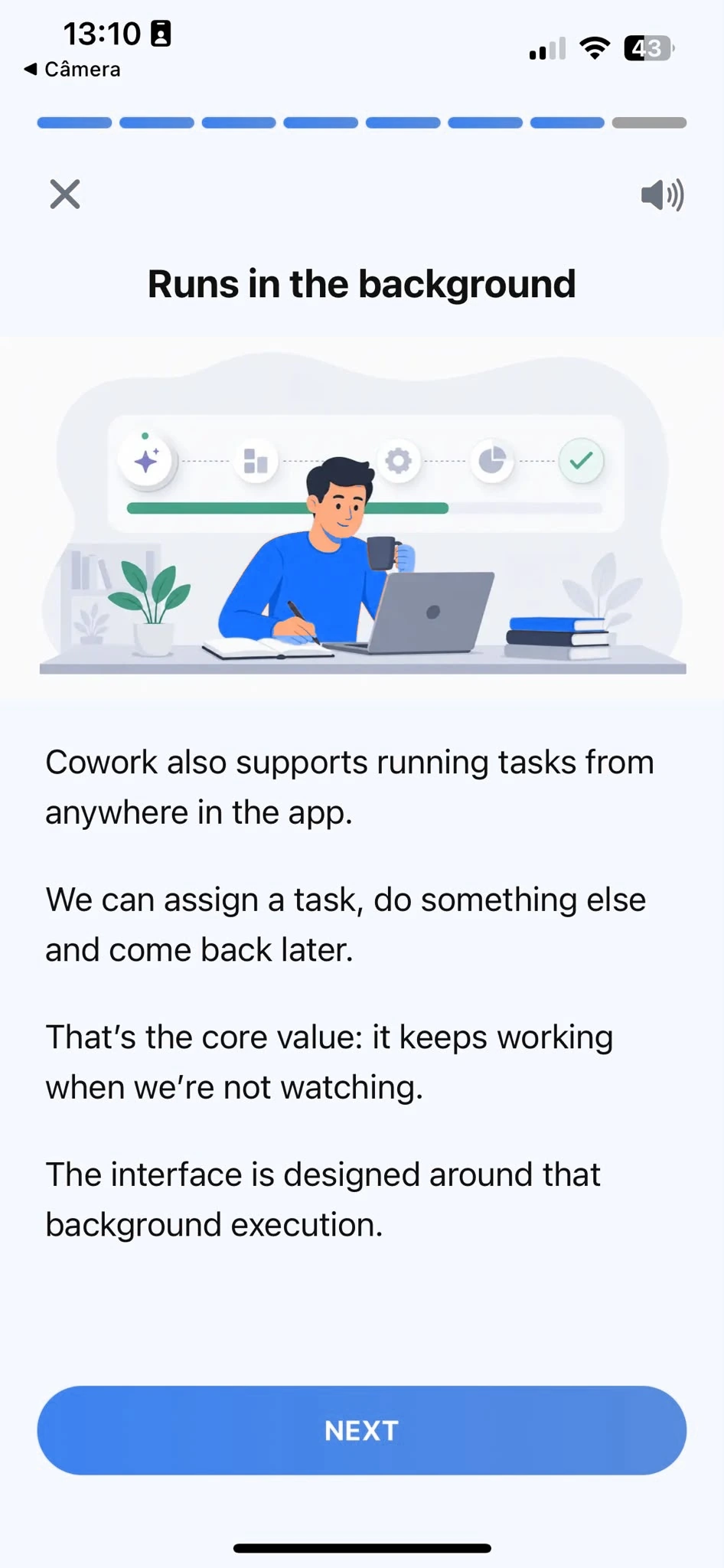
Learn
Short, focused lessons that build from fundamentals to real-world tasks.
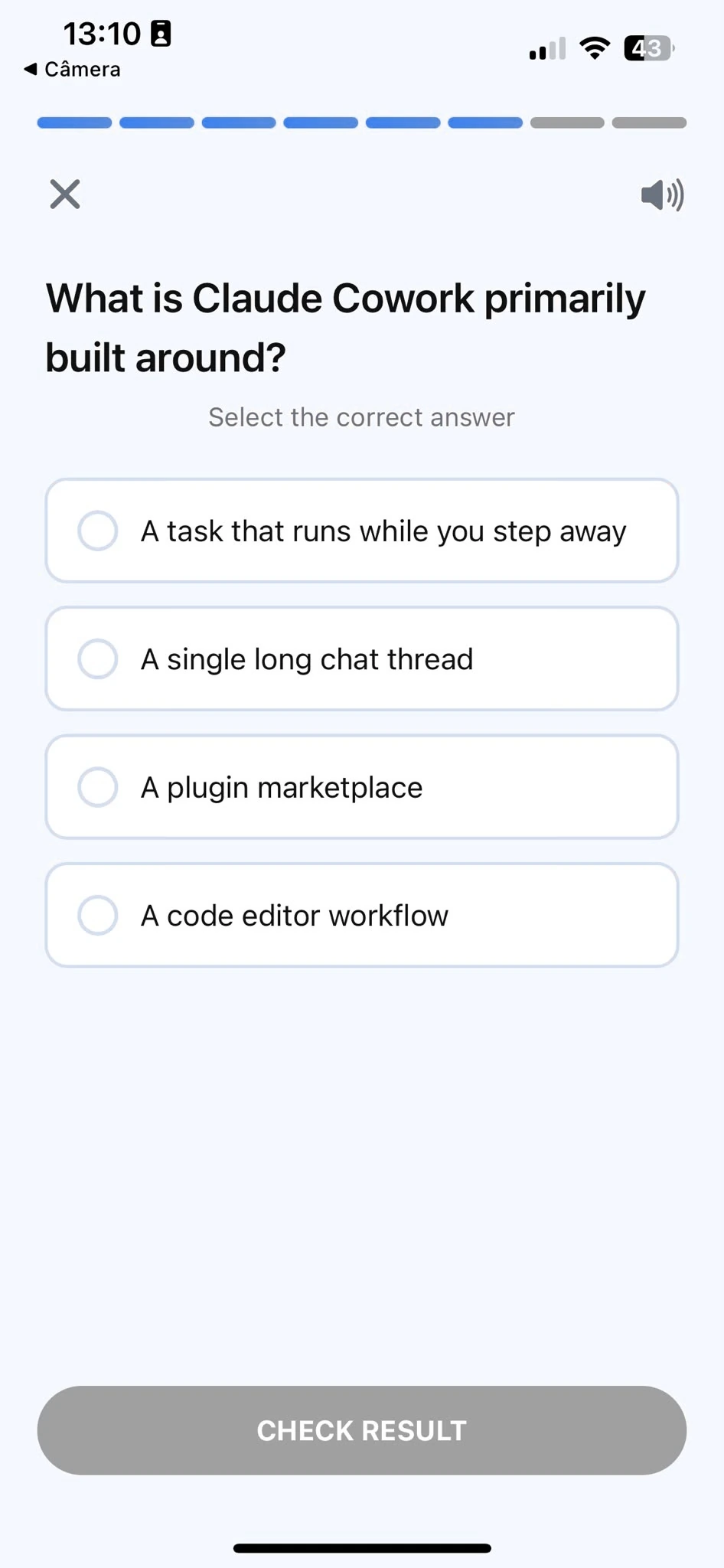
Quiz
Test your understanding right after each lesson, not at the end.
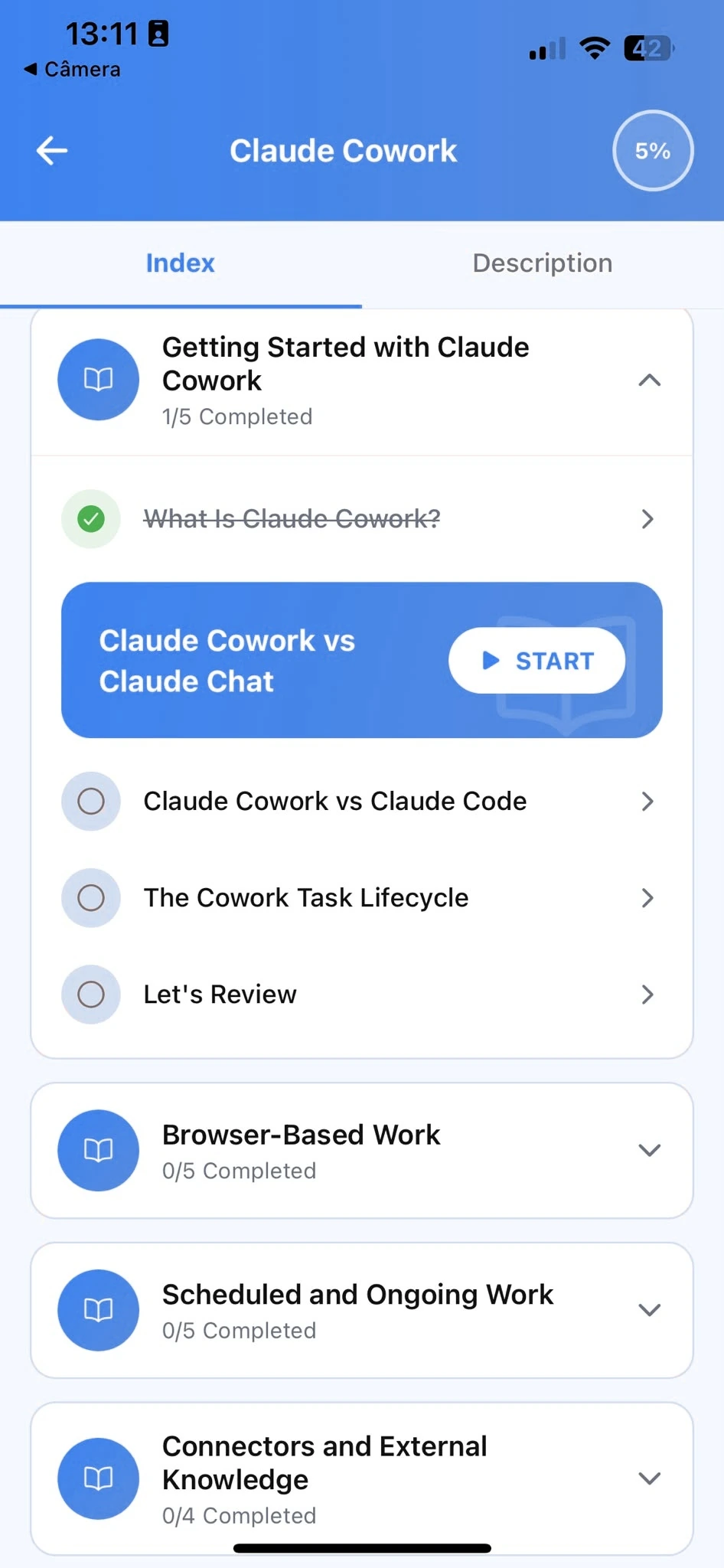
Track Progress
Pick up exactly where you left off, on any device, at any time.
Related articles
- Productivity9 min read
Writing ChatGPT Custom Instructions That Actually Stick
How to fill out ChatGPT's Custom Instructions so it stops re-asking who you are and what you want, with real examples of what to put in each box.
Read article - Productivity5 min read
Setting Up a Claude Project You'll Actually Keep Using
A four-step setup for a Claude Project, with the limits that matter, the memory behavior to know about, and the signs a project has gone stale.
Read article - Productivity10 min read
Chaining Gemini Across a Gem, Canvas, and Deep Research in One Workflow
Most people use Gemini's features in isolation. Here's what happens when you deliberately chain a Gem's context into a Canvas draft, backed by a Deep Research report.
Read article - Operations8 min read
A Weekly Grok Workflow Built Around One Skill and One Connector
A repeatable weekly rhythm using a single configured Skill for recurring context and one Connector for the account it actually needs to reach.
Read article - Productivity6 min read
Using Two AI Assistants on One Task: A Handoff Workflow
How to pass a draft between Claude and another assistant for critique, what to send across, what to keep out, and when a second opinion isn't worth it.
Read article - Productivity5 min read
Which AI Assistant for Which Job: A Decision Table
Twelve everyday jobs, a starting assistant for each, and what would change the choice. A set of hypotheses to test, not a ranking.
Read article
Frequently Asked Questions
Do I need AI experience to start?
No. AI Learning is designed for people who have never used an AI assistant before. The course starts from the fundamentals and builds up to real productivity tasks. If you already use one occasionally, the structured approach will still fill gaps and build more reliable habits.
How long does the course take to complete?
Most learners work through the core curriculum in two to four hours. The app is designed for short, focused sessions. A single lesson takes around ten minutes, so you can fit it into a working day without blocking off a half-day.
Is this course for a specific job, or for anyone?
Anyone. AI Learning teaches AI fundamentals through examples that show up in almost any job: prioritizing a to-do list, turning meeting notes into action items, drafting replies, and planning a week. Every example is grounded in everyday work, not one specific role.
Can I use a free plan while taking the course?
Yes. Everything taught in the course works with the free plan most AI assistants offer. A paid plan gives you more usage, but it is not required to complete the lessons or apply what you learn.
What if the plan doesn't match how I actually like to work?
Give it more to work with. Tell it if you focus best in the morning or the evening, how much buffer time you like between tasks, or paste in a week that worked well for you before, then ask the AI to plan around that. The course shows you how to set this up once and reuse it every time you ask for a plan.
Start learning AI
Download AI Learning and start applying these techniques to your own to-do list and week.